


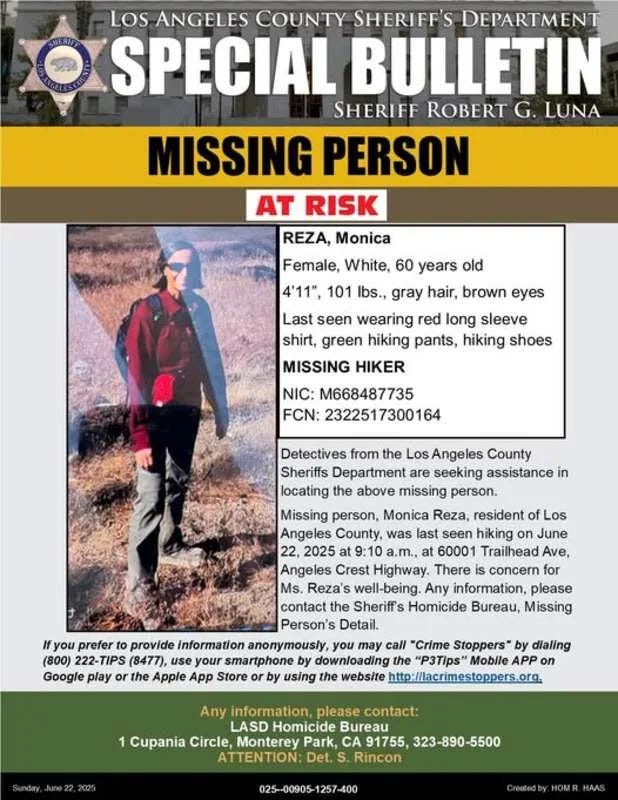
Between July 2023 and February 2026, a troubling pattern began to form around some of the most sensitive corners of American science. Scientists, engineers, national laboratory staff, defence-linked personnel and private researchers connected to NASA, JPL, Los Alamos, the NNSA, AFRL, MIT, Caltech and specialist research organisations began appearing in the same disturbing category: missing or deceased.
The list includes a retired U.S. Air Force major general who vanished in New Mexico, an aerospace engineer who disappeared during a mountain hike in California, Los Alamos-linked personnel who went missing, a Caltech astrophysicist shot dead on his front porch, an MIT fusion and plasma physics professor killed at home, a Novartis researcher found dead months after he vanished, and two NASA JPL figures whose deaths now sit at the beginning of the sequence.
Viewed one by one, these cases can be filed away as separate tragedies, but when viewed together and considering the short span of time, an alarming pattern emerges. The people in question were closely associated with aerospace, nuclear security, rocket propulsion, materials science, space science, plasma physics, national laboratories, defence research and institutions repeatedly cited as having strong links to UAP programmes.
Another factor we need to consider is that, in classified science and defence research, the job title people see in public can act as a front for deeper work hidden behind compartmentalised access. A person may be listed as a physicist, engineer, administrator, custodian, consultant, or programme lead, while their real responsibilities lie within black projects, restricted programmes, contractor networks, or sealed government laboratories.
UAP research would naturally touch radar, satellites, classified aircraft, nuclear sites, propulsion, advanced materials, atmospheric detection, intelligence records and defence contractors. The people in this timeline worked near several of those same worlds. Their cases now raise uncomfortable questions about proximity, timing, access, knowledge and the possibility that some of the most important connections were never visible in their public biographies.
This article follows the ten names, the dates, the organisations around them, the work they were reportedly connected to, and the technical overlaps that may matter. It asks who these people were, what they worked on, why their cases have drawn attention, and whether the official explanation of the unrelated tragedy is enough to satisfy the evidence now on the table.
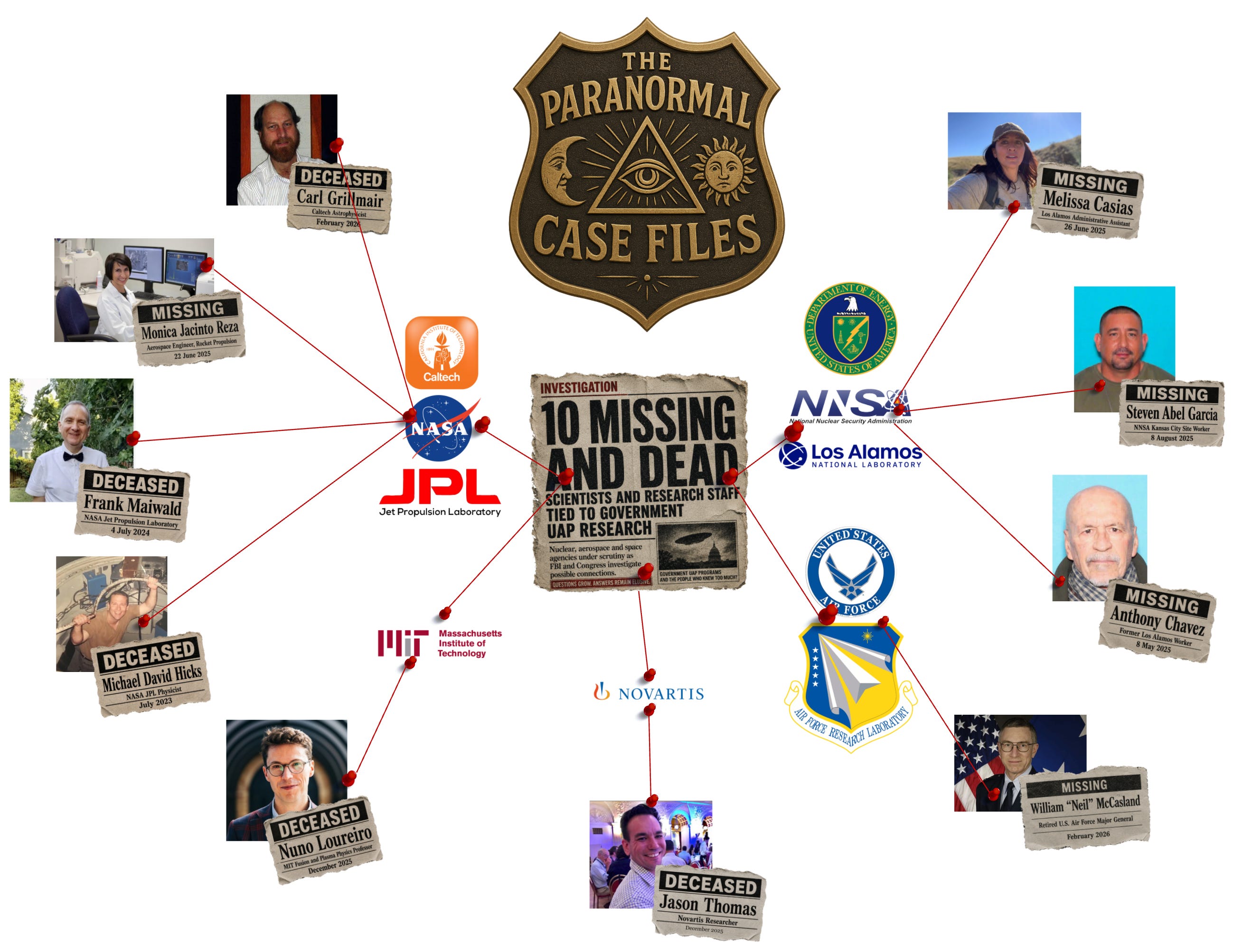
Timeline
Michael David Hicks, deceased, July 2023
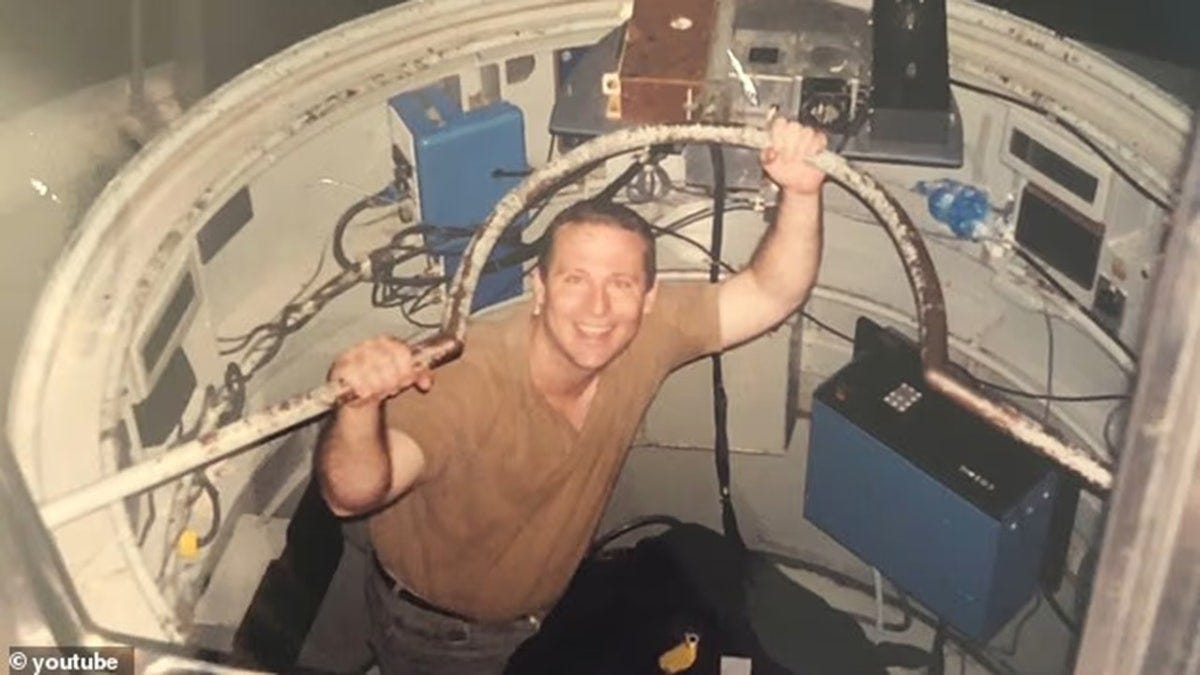
Michael David Hicks was a physicist at NASA’s Jet Propulsion Laboratory, where he worked inside one of America’s most important space-research institutions. JPL is tied to planetary science, asteroid and comet research, mission data, deep-space observation and the technical interpretation of objects beyond ordinary human reach. Hicks died in July 2023 at the age of 59. His death was the earliest name in the timeline and, at first, drew little attention outside those who knew his work. The mystery emerged later, when more scientists, engineers and sensitive research personnel connected to NASA, aerospace, nuclear research and advanced physics began appearing as missing or deceased. In that wider sequence, Hicks became the first marker on a timeline that would soon stretch from JPL to Los Alamos, AFRL, MIT and beyond.
Frank Maiwald, deceased, 4 July 2024
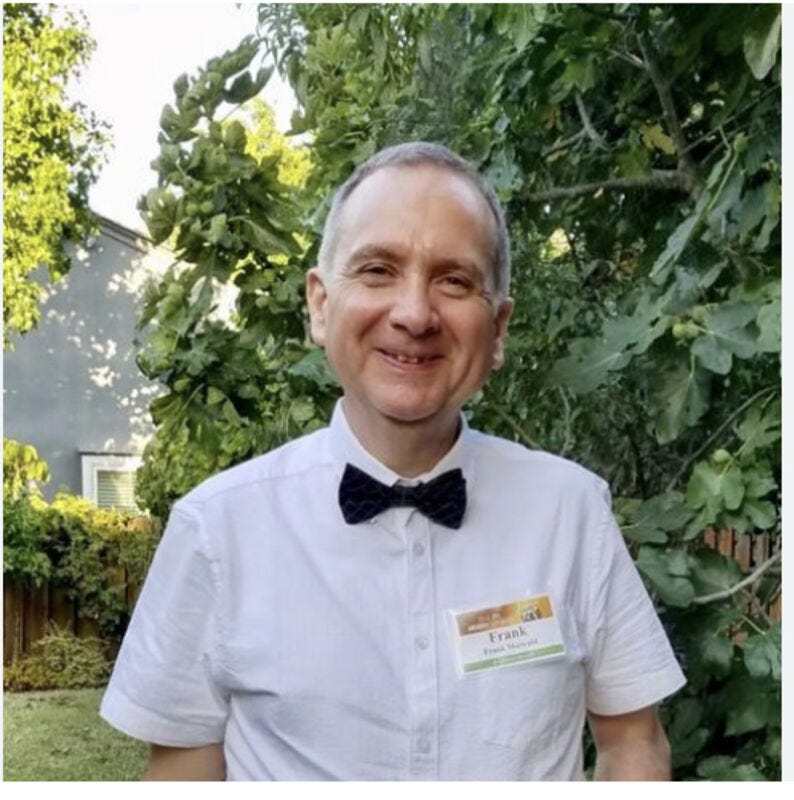
Frank Maiwald worked in the NASA Jet Propulsion Laboratory world of mission systems and scientific instrumentation. His career was linked to advanced microwave radiometer work and space-based Earth observation projects, technology built to measure, detect and interpret conditions from orbit. He died in Los Angeles on 4 July 2024 at the age of 61. The mystery around Maiwald comes less from a single public detail and more from the setting of his career: another JPL figure, another specialist in space-mission technology, and another death before the disappearances began to accelerate.
Anthony Chavez, missing, 8 May 2025
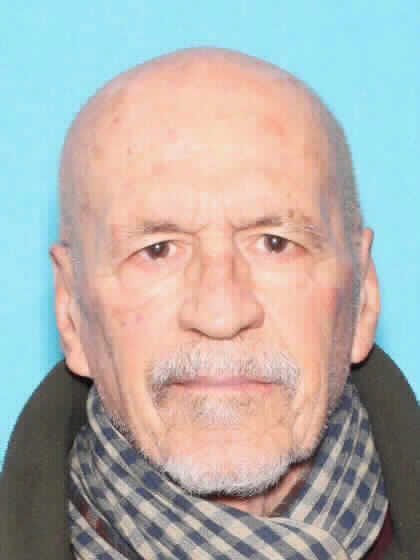
Anthony Chavez was 78 and had previously worked at Los Alamos, one of the most secretive scientific institutions in American history. The laboratory’s name is tied to the Manhattan Project, nuclear weapons, classified defence research, advanced materials, supercomputing and national security work that has remained hidden from public view for decades. Chavez went missing in New Mexico on 8 May 2025. Public details about his disappearance remain thin, which gives the case a blank, unsettling quality
Monica Jacinto Reza, missing, 22 June 2025
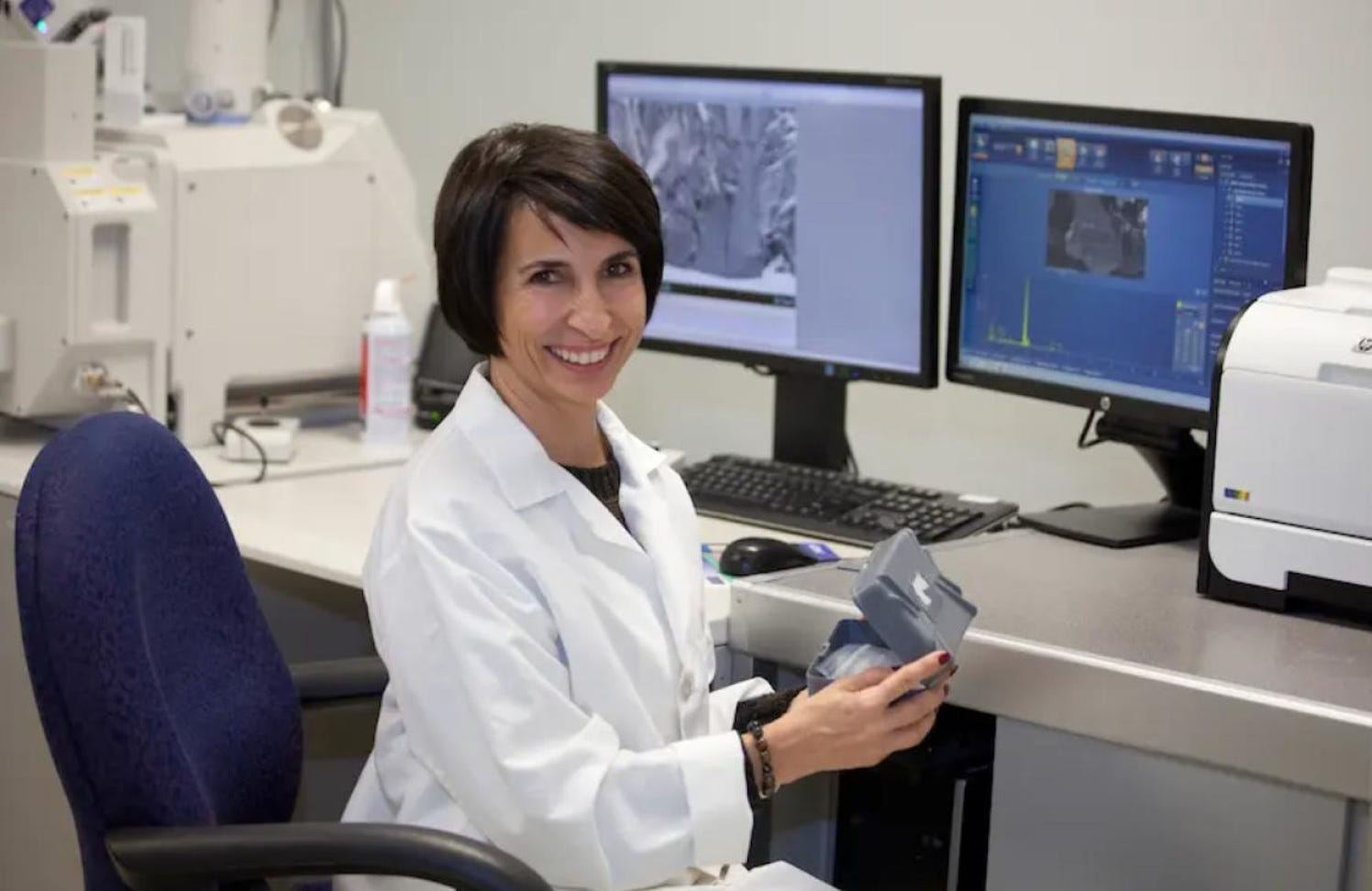
Monica Jacinto Reza was a 60-year-old aerospace engineer specialising in rocket propulsion and advanced materials. She and her team invented Mondaloy, a burn-resistant nickel-based superalloy developed for use in rocket engines, a project in collaboration with the Air Force Research Laboratory, working directly with William “Neil” McCasland, the retired major general on this same list, who later commanded AFRL. Reza disappeared on 22 June 2025 while hiking near Mount Waterman in Los Angeles County. The circumstances have become one of the strangest details in the whole timeline. She was reportedly walking only around 20 feet behind a friend, close enough to turn, smile and wave. Moments later, when the friend looked back again, she had vanished. Search teams brought in aircraft, drones, dogs and mountain rescue resources, yet no clear trace of her was found. A rocket-engine materials specialist, tied through AFRL to another missing figure in the same story, disappeared almost instantly on a mountain trail.
Melissa Casias, missing, 26 June 2025
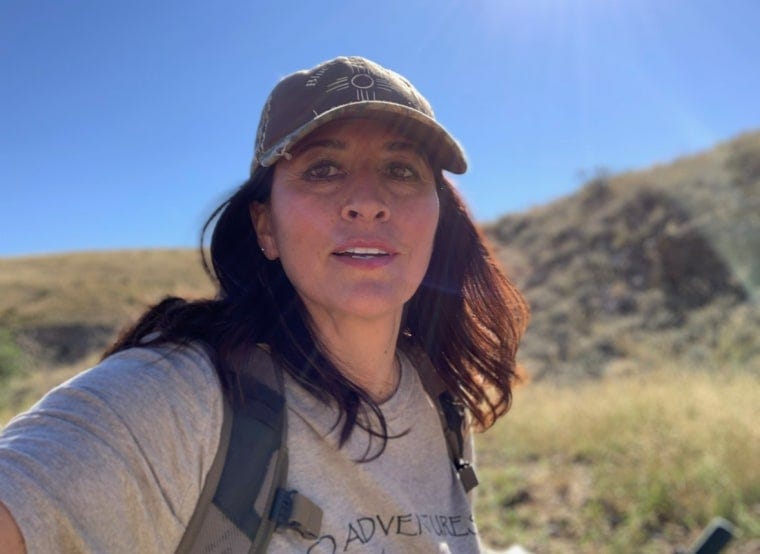
Melissa Casias was 53 and had worked at Los Alamos for years, placing her inside the orbit of one of America’s most sensitive scientific institutions. Her family described her as an administrative assistant, a role that may sound ordinary until the setting is considered: Los Alamos, the laboratory born from the Manhattan Project and still tied to nuclear research, national security and classified government work. Casias disappeared on 26 June 2025, only four days after Monica Reza vanished in California. She was reportedly last seen walking alone on a highway with a backpack, a quiet and unsettling image that leaves more questions than answers.
Steven Abel Garcia, missing, 8 August 2025
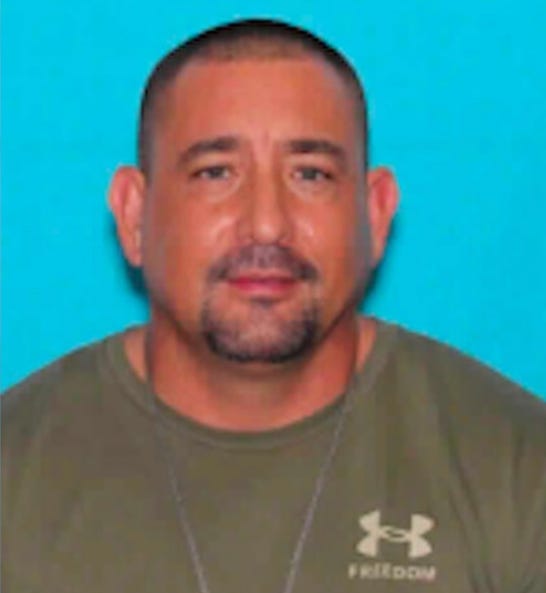
Steven Abel Garcia was 48 and worked as a property custodian for the National Nuclear Security Administration’s Kansas City National Security Campus, a site tied to the maintenance and support of America’s nuclear weapons enterprise. He disappeared in Albuquerque in August 2025. His role was not that of a senior scientist, but his workplace placed him inside a highly sensitive national-security environment. The Kansas City campus supports the non-nuclear components of the U.S. nuclear stockpile, which makes any missing-person case connected to it difficult to view as routine. Garcia’s disappearance added another New Mexico name to the timeline.
Jason Thomas, deceased, December 2025
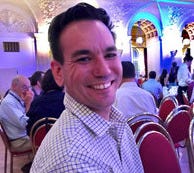
Jason Thomas was a Novartis researcher whose disappearance in December 2025 added a different kind of weight to the timeline. Novartis sits within the world of biomedical research, pharmaceuticals, advanced laboratory systems, data-heavy science, and private-sector research infrastructure, an area that intersects with government interests through contracts, medical research, defence health, biosecurity, and classified-adjacent scientific partnerships. Thomas vanished in Massachusetts, and for months, there was no answer. His body was later recovered from Lake Quannapowitt, turning a missing-person case into another death inside the same narrow.
Nuno Loureiro, deceased, December 2025
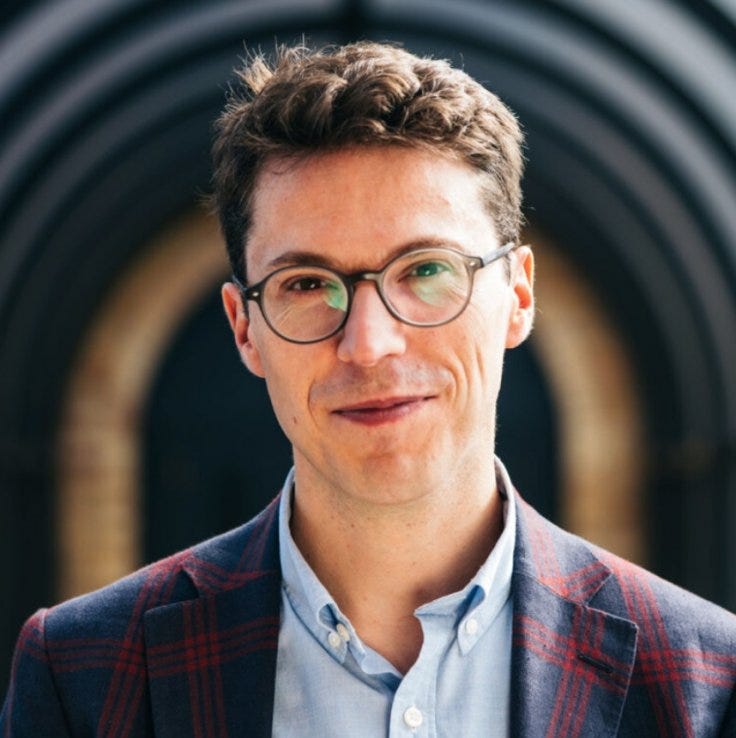
Nuno Loureiro was an MIT professor specialising in fusion and plasma physics, a field concerned with extreme energy, magnetic behaviour, instability, turbulence and the strange conditions found in both laboratory reactors and deep space. His work placed him in some of the most advanced physics being studied anywhere in the world, the kind of science that inevitably attracts attention whenever UAP theories turn toward exotic propulsion, field effects, plasma envelopes and unknown energy systems. In December 2025, Loureiro was shot and killed at his home in the Boston area.
Carl Grillmair, deceased, February 2026
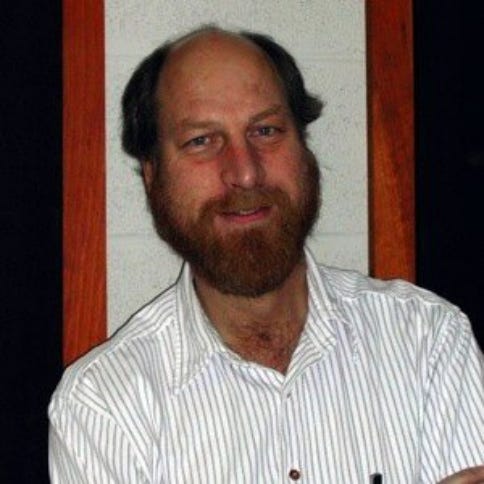
Carl Grillmair was a Caltech astrophysicist and NASA award recipient whose work spanned astronomy, deep-sky mapping, and the structure of the Milky Way. Caltech also manages NASA’s Jet Propulsion Laboratory, placing his career inside the same space-science ecosystem as other names in this timeline. In February 2026, Grillmair was shot dead on the front porch of his Los Angeles County home.
William “Neil” McCasland, missing, February 2026
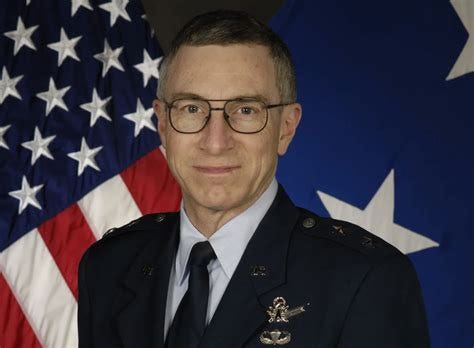
William “Neil” McCasland was a retired U.S. Air Force major general and former commander of the Air Force Research Laboratory at Wright-Patterson Air Force Base. He disappeared from the Albuquerque area in February 2026 after leaving home without his phone, wearable devices or prescription glasses. He reportedly had hiking boots, his wallet and a .38-calibre revolver. A grey U.S. Air Force sweatshirt was later found more than a mile from his home, yet McCasland himself remained missing.
The Organisations and Their Links to UAP Research
Yes. I would keep this section short and punchy, because the people are the focus. The organisations should act like the map behind the cases.
NASA / Jet Propulsion Laboratory / Caltech
NASA’s Jet Propulsion Laboratory is one of the most important space research institutions in the United States. Managed by Caltech, JPL works on planetary missions, deep-space probes, robotic exploration, asteroid and comet research, imaging systems, sensors and the scientific analysis of distant worlds. In any serious UAP discussion, JPL sits close to the centre of the technical question because unexplained aerial or anomalous phenomena rely on the same kind of evidence JPL understands best: optical data, infrared signatures, orbital tracking, atmospheric effects, sensor interpretation and objects moving through difficult environments. The presence of multiple JPL or Caltech-linked names in this timeline gives the story its first unsettling shape.
Los Alamos National Laboratory
Los Alamos carries a weight few scientific institutions can match. Born from the Manhattan Project, it remains tied to nuclear science, weapons research, national security, supercomputing, materials science and classified government work. Its relevance to UAP speculation comes through the nuclear connection. UFO and UAP reports have repeatedly clustered around missile fields, weapons facilities, test ranges and nuclear infrastructure. Any unexplained object near those systems would immediately become a national-security matter. That makes Los Alamos a powerful node in this story, especially when more than one missing person in the timeline had a connection to the laboratory.
Department of Energy / National Nuclear Security Administration
The Department of Energy and the National Nuclear Security Administration sit behind some of America’s most guarded scientific and defence work. The NNSA maintains the nuclear weapons stockpile, secures nuclear materials and oversees key national-security sites. This matters because DOE-controlled information can fall into some of the most protected classification categories in the U.S. system. If UAP records ever touched nuclear detection, missile security, weapons-site vulnerability, radiation signatures or unusual incidents near nuclear facilities, DOE and NNSA channels would be natural places for those records to disappear from public view. That is why the nuclear-security names in this timeline feel so charged.
Kansas City National Security Campus
The Kansas City National Security Campus supports the NNSA’s nuclear-security mission. It produces and supports non-nuclear components for the U.S. nuclear weapons enterprise, which places it inside one of the most sensitive technical supply chains in the country. Steven Abel Garcia’s connection to this world matters because his role may sound ordinary, yet the site itself belongs to a restricted national-security ecosystem. In a story already circling Los Alamos, nuclear infrastructure and New Mexico disappearances, that connection adds another uncomfortable layer.
U.S. Air Force / Air Force Research Laboratory
The Air Force Research Laboratory is the U.S. Air Force’s science and technology engine. It works across aerospace systems, sensors, propulsion, directed energy, materials, space vehicles, intelligence technologies and future warfare concepts. For UAP research, AFRL is significant because the Air Force owns much of the sky where these incidents happen and many of the systems that detect them. Radar tracks, infrared captures, pilot reports, classified aircraft, missile-warning systems and advanced aerospace materials all belong to the same world. William “Neil” McCasland’s role as a former AFRL commander makes his disappearance one of the most explosive cases in the timeline.
Wright-Patterson Air Force Base
Wright-Patterson has lived inside UFO folklore for decades. It has been tied in public imagination to recovered material, Roswell speculation, classified aircraft and the storage or study of unusual technology. Officially, it is a major Air Force base with deep links to aerospace research, logistics, intelligence and technical development. Its reputation matters because McCasland’s AFRL command was based there. That does not prove hidden alien material, but it places his career inside the exact institutional mythology that has surrounded American UFO secrecy for generations.
Aerojet Rocketdyne / Rocketdyne
Aerojet Rocketdyne and its Rocketdyne lineage operate in the world of rocket engines, propulsion systems, and advanced aerospace materials. Monica Jacinto Reza is the key link here. Her reported work on rocket propulsion and materials, including Moneloy, places her near technologies of interest to both NASA and the Air Force. In UAP terms, propulsion is one of the great unanswered questions. Every serious debate about extraordinary craft eventually reaches the same issue: how something could move, accelerate, survive heat, resist stress or operate beyond known performance limits. That makes Reza’s technical world one of the most intriguing points on the board.
MIT / Plasma and Fusion Research
MIT’s fusion and plasma research sits at the frontier of high-energy physics, magnetic fields, plasma behaviour and the modelling of extreme environments. Nuno Loureiro’s work in fusion and plasma physics gives his case a different kind of significance. UAP speculation often drifts toward exotic propulsion, magnetic effects, plasma phenomena, field interactions and energy systems far beyond ordinary aircraft engineering. Plasma physics does not need aliens to be important. It already belongs to the frontier of what modern science is trying to control. That is why his death appears so often in discussions of this wider pattern.
Caltech / Astrophysics and Space Science
Caltech is one of America’s most prestigious scientific institutions and manages JPL for NASA. Carl Grillmair’s work in astrophysics placed him inside the world of deep-sky observation, stellar structures and space science. His death stands out because it was violent, public and abrupt: a senior astrophysicist shot on his own front porch. Within the timeline, Caltech matters as a bridge between pure space science and NASA’s mission infrastructure. It adds another space-research node to a sequence already involving JPL, aerospace engineering and government-linked scientific work.
Novartis
Novartis is a major pharmaceutical and biomedical research company. Jason Thomas is the outlier in the board because his work sits in private biomedical research rather than aerospace, nuclear security or propulsion. His case still appears in the wider public list of missing and deceased scientists, which is why it cannot simply be ignored. Its presence complicates the pattern. It broadens the story from defence and space science to specialist private research, and it raises the possibility that the list is capturing sensitive scientific personnel more broadly, rather than a single narrow UAP-linked lane.
The Pattern Behind the Institutions
Taken together, these organisations form a map of sensitive American science: space missions, nuclear security, classified aerospace, propulsion materials, plasma physics, astrophysics and private research. These are the kinds of places where ordinary explanations and extraordinary possibilities can coexist. A missing person from one institution might be a tragedy. Several names across NASA-linked research, Los Alamos, NNSA, AFRL, MIT and advanced aerospace work begin to feel harder to file away. That tension is the centre of the story. Not proof. Pressure. A pattern that keeps asking why these names, why these fields, and why now.
These cases leave one question hanging over everything: why did ten people connected to sensitive American science, defence research, nuclear security, aerospace, propulsion, plasma physics and space research end up missing or dead within such a short period?
The uncomfortable answer is that these are exactly the worlds where public job titles may serve as a front for clandestine black-budget research and development. A physicist, engineer, administrator, custodian or researcher can have one role that appears in the open record, while another part of their work sits inside a classified programme, a contractor network, a restricted laboratory or a compartmentalised project no one will acknowledge.
Did these people learn too much? Did they find a way to break through the walls of compartmentalisation? Did several of them touch the same hidden programme from different angles? Whatever the reasons, they were all effectively silenced.
The public record would never show that directly. It would show what we already see: a missing person report, a private death, a shooting, a body recovered from a lake, a search with no answers, a family left waiting, an official silence that explains little.
Perhaps each case has its own explanation. Perhaps the timing is a coincidence. Yet when the same kinds of names keep appearing around the same kinds of institutions, the question remains. Were these separate tragedies, or did some of them get too close to something hidden inside America’s classified UAP research world?
I believe they are all underground working